
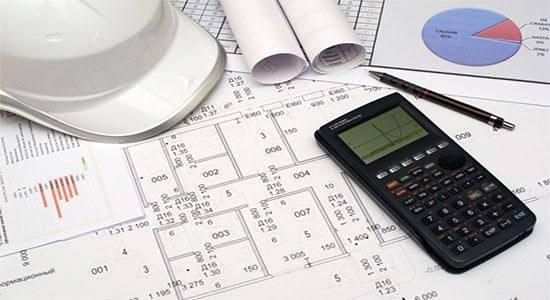
A takeoff, also known as a quantity takeoff or material takeoff, is the process of measuring and quantifying all the materials, labor, and resources needed to complete a construction project based on architectural drawings and specifications. When we talk about takeoff, we’re specifically referring to the detailed process of extracting quantities from project documents. A takeoff is fundamentally a measurement and counting exercise.
Estimates & Takeoffs are not the same thing.
In the construction industry, two terms are often used interchangeably, yet they represent distinctly different processes that serve different purposes: estimate and takeoff. Whether you’re a general contractor, subcontractor, or project manager, understanding the difference between an estimate and a takeoff is crucial to your success. Many contractors confuse these terms, which can lead to inaccurate pricing, missed opportunities, and ultimately, lost profits. In this comprehensive guide, we’ll break down the differences between estimate and takeoff, explain when to use each one, and show you how they work together to create accurate construction cost estimates that help you win more bids and close more deals.
What is a Takeoff in Construction?
During a takeoff, an estimator carefully reviews all project drawings, specifications, and site conditions to determine exact quantities of every material needed. For example, if you’re doing a takeoff for a framing project, you would count every stud, measure every linear foot of plate, determine the number of nails needed, and quantify every piece of lumber. The takeoff process is highly detailed and precise because accuracy in quantities directly impacts material costs and labor productivity.
The takeoff process typically involves reviewing architectural drawings, engineering plans, and specifications to extract information about dimensions, materials, and quantities. An estimator might use digital takeoff software or perform manual measurements to determine quantities. The result of a takeoff is a detailed list of materials and quantities needed for the project. This list becomes the foundation for accurate construction cost estimation.
Takeoffs are essential because they provide the quantitative data needed for accurate pricing. Without a proper takeoff, you’re essentially guessing at quantities, which leads to inaccurate estimates. When you perform a thorough quantity takeoff, you ensure that nothing is missed and that all quantities are based on actual project requirements rather than assumptions.
What is an Estimate in Construction?
An estimate, also known as a construction estimate or bid estimate, is the process of calculating the total cost of a construction project based on quantities, labor rates, material prices, and other cost factors. While a takeoff focuses on quantities, an estimate focuses on costs. An estimate takes the quantities from a takeoff and assigns prices to them, then adds labor, equipment, overhead, and profit to arrive at a total project cost.
When you create a construction estimate, you’re answering the question: “How much will this project cost?” An estimate is a financial projection based on the quantities identified in the takeoff, current market pricing, labor productivity, and your company’s overhead and profit requirements. The estimate is what you present to clients as your bid price, or what you use internally to determine project profitability.
Creating an accurate estimate requires more than just knowing quantities. You need to understand current material prices, prevailing labor rates in your market, productivity rates for different types of work, equipment costs, overhead allocation, and appropriate profit margins. An estimate is a comprehensive financial analysis of the project that incorporates all these factors.
The estimate process typically involves taking the quantities from the takeoff and applying prices to each line item. For example, if the takeoff identified 5,000 linear feet of framing lumber needed, the estimator would research current lumber prices, multiply the quantity by the price per unit, and arrive at the material cost for lumber. This process is repeated for every material, labor category, and equipment item identified in the takeoff.

Key Differences Between Estimate and Takeoff
Now that we understand what each process involves, let’s explore the fundamental differences between estimate and takeoff. Understanding these differences is critical to using each tool effectively in your construction business.
The first major difference is focus. A takeoff focuses on quantities and measurements. An estimate focuses on costs and pricing. When you’re doing a takeoff, you’re asking “How much material do we need?” When you’re creating an estimate, you’re asking “How much will this cost?” These are related but distinctly different questions.
The second difference is the data they produce. A takeoff produces a list of quantities and materials needed. An estimate produces a total project cost and a breakdown of costs by category. The takeoff is the input that feeds into the estimate. You cannot create an accurate estimate without a proper takeoff, but a takeoff alone doesn’t tell you the project cost.
The third difference is the purpose. A takeoff is used to ensure complete understanding of project scope and to verify that nothing is missed. An estimate is used to determine project pricing, create bids, and make business decisions about project profitability. Takeoffs are internal tools used to ensure accuracy. Estimates are often presented to clients or used for internal financial planning.
The fourth difference is the level of detail required. A takeoff must be extremely detailed and precise because even small errors in quantities can significantly impact project costs. An estimate can sometimes work with summary-level information, though detailed estimates are always more accurate. When you’re doing a takeoff, you measure and count everything. When you’re creating an estimate, you might group similar items together for efficiency.
The fifth difference is timing. A takeoff is typically done early in the bidding process to understand project scope and requirements. An estimate is done after the takeoff is complete and quantities are known. You cannot do an accurate estimate without first completing a takeoff. However, you might do a preliminary estimate before a detailed takeoff to determine if a project is worth pursuing in detail.
Are you confident that your takeoff and estimate processes are capturing all project costs accurately? Contact us today to discuss how our experienced estimators can help you ensure every quantity takeoff and construction estimate is precise and profitable.
How Takeoff and Estimate Work Together
While takeoff and estimate are distinct processes, they work together as part of a comprehensive construction cost estimation system. Understanding how they integrate is essential to creating accurate bids and managing projects profitably.
The process typically begins with a preliminary review of project documents. An estimator reviews architectural drawings, specifications, and site conditions to understand the project scope. This initial review helps determine whether a detailed takeoff is warranted and what level of detail will be required.
Next comes the detailed quantity takeoff. Using either manual measurement or digital takeoff software, the estimator extracts exact quantities of all materials, labor categories, and equipment needed. This takeoff process is meticulous and detailed because accuracy is critical. The result is a comprehensive list of quantities that will form the basis for pricing.
Once the takeoff is complete, the estimator moves to the estimate phase. Using the quantities from the takeoff, the estimator researches current material prices, labor rates, and equipment costs. Each quantity is multiplied by the appropriate unit price to determine the cost for that line item. Labor productivity rates are applied to determine labor hours and costs. Equipment and overhead costs are calculated and added.
Finally, profit margin and contingency are added to arrive at the final bid price. This comprehensive estimate is then presented to the client or used internally for project management and financial planning.
The relationship between takeoff and estimate can be thought of as sequential and dependent. The takeoff provides the quantitative foundation. The estimate builds on that foundation by adding pricing and financial analysis. Neither process is complete without the other. A takeoff without an estimate tells you what you need but not what it costs. An estimate without a takeoff is based on assumptions rather than actual project requirements.
Common Mistakes in Takeoff and Estimate Processes
Many contractors struggle with takeoff and estimate processes because they don’t understand the distinction between them or don’t execute each process properly. Understanding common mistakes helps you avoid them and improve accuracy.
The first common mistake is confusing takeoff with estimate. Some contractors think they’ve done a takeoff when they’ve actually just created a rough estimate based on assumptions. A true takeoff requires detailed measurement and quantification based on actual project documents. Without this rigor, quantities are inaccurate and estimates are unreliable.
The second mistake is incomplete takeoffs. Many contractors rush through the takeoff process and miss items or underestimate quantities. They might not account for waste, overlaps, or complex details. When quantities are incomplete or inaccurate, the resulting estimate is unreliable. This leads to bids that are either too high (losing the job) or too low (losing profit).
The third mistake is using outdated pricing information in the estimate. Material and labor costs change frequently. If you’re using pricing from months or years ago, your estimate will be inaccurate. Every estimate should be based on current market pricing research.
The fourth mistake is not adjusting for project-specific conditions. A takeoff and estimate that works for a simple, straightforward project might not work for a complex project with difficult site conditions. You need to adjust quantities, labor productivity, and pricing based on the specific characteristics of each project.
The fifth mistake is not including all costs in the estimate. Many contractors focus on material and labor but forget to include equipment costs, overhead allocation, permits, insurance, and other indirect costs. An incomplete estimate leads to underpriced bids and unprofitable projects.
Let our experienced estimators help you avoid these common mistakes. We perform detailed quantity takeoffs and comprehensive estimates that ensure nothing is missed and all costs are captured accurately.
Tools and Software for Takeoff and Estimate
Modern construction estimators have access to sophisticated software tools that make takeoff and estimate processes more efficient and accurate. Understanding these tools can help you improve your own processes.
Digital takeoff software allows estimators to upload construction drawings and use digital tools to measure and extract quantities. These tools often include databases of standard construction items, making it easier to ensure nothing is missed. Some popular digital takeoff tools include PlanSwift, Bluebeam, and OnScreen Takeoff. These tools significantly improve accuracy and efficiency compared to manual measurement.
Estimation software takes the quantities from a takeoff and applies pricing to create comprehensive estimates. These tools often include databases of material prices, labor rates, and productivity factors. They can generate detailed estimates with breakdowns by category, trade, or phase. Popular estimation software includes Buildr, Touchplan, and specialized construction estimating platforms.
Many contractors use integrated systems that combine takeoff and estimation in a single platform. These systems streamline the process from quantity extraction to final bid pricing. They also make it easier to track historical data and improve estimates over time.
However, software is only as good as the data and expertise behind it. Even with the best tools, you need experienced estimators who understand construction, know current market pricing, and can apply judgment to project-specific conditions. Software automates the process but doesn’t replace the need for expertise and attention to detail.
Why Accurate Takeoff and Estimate Matter
Understanding the difference between takeoff and estimate and executing both processes properly has significant implications for your business. Accurate takeoffs and estimates directly impact your ability to win bids, manage projects profitably, and grow your business.
First, accurate takeoffs ensure you’re not missing any work or materials. When you miss items in the takeoff, you either have to absorb the cost or request a change order. Either way, it impacts profitability. A thorough takeoff prevents these costly mistakes.
Second, accurate estimates help you price competitively. If your estimate is too high, you lose the bid. If it’s too low, you lose profit. Accurate estimates based on detailed takeoffs allow you to price appropriately and win bids at profitable rates.
Third, accurate takeoffs and estimates help you manage projects more effectively. When you know exactly what’s required and what it should cost, you can manage the project to meet those targets. You can identify cost overruns early and take corrective action.
Fourth, accurate historical data from takeoffs and estimates helps you improve future estimates. By tracking actual costs against estimated costs, you can identify trends, improve productivity assumptions, and refine your pricing over time.
The Estimate Zone Advantage
At Estimate Zone, we understand that the difference between takeoff and estimate is more than just terminology. We understand that accurate quantity takeoffs and comprehensive estimates are the foundation of successful construction projects. We’re not just providing numbers—we’re your partners at every step of the way to ensure you don’t just bid numbers, you get those jobs too.
Our team of experienced estimators has decades of combined experience performing detailed quantity takeoffs and creating comprehensive construction estimates. We understand the distinction between takeoff and estimate, and we execute both processes with precision and attention to detail. We use industry-standard methodologies, current market pricing data, and proven estimation software to ensure accuracy.
When you work with Estimate Zone, you get more than just an estimate. You get a detailed takeoff that ensures nothing is missed, a comprehensive estimate that captures all costs, and the confidence that comes from knowing your bid is based on real data and professional expertise. We take the time to understand your specific project, your market conditions, and your business goals. This allows us to prepare takeoffs and estimates that are accurate, competitive, and profitable.
We also understand that construction projects are complex and that conditions can change. We’re committed to being your partner throughout the project, providing ongoing support and consultation as your project progresses. If conditions change or you need to adjust your estimate, we’re here to help.
Conclusion: Mastering Takeoff and Estimate
The difference between takeoff and estimate is fundamental to construction cost estimation. A takeoff is the detailed process of extracting quantities from project documents. An estimate is the financial analysis that assigns prices to those quantities and arrives at a total project cost. Both processes are essential, and both must be executed with precision to create accurate bids that win jobs and drive profitability.
By understanding the distinction between takeoff and estimate, you can improve your bidding process, create more accurate estimates, and make better business decisions. Whether you’re doing takeoffs and estimates in-house or working with a professional estimating service, the principles remain the same: be thorough, be precise, and be systematic.
If you’re struggling with takeoff and estimate processes or simply want to ensure your bids are as accurate as possible, we’re here to help. Our team at Estimate Zone has the expertise, tools, and experience to help you perform detailed quantity takeoffs and create comprehensive construction estimates. We’re not just service providers—we’re your partners committed to helping you win more bids and close more deals.
Ready to ensure your takeoff and estimate processes are accurate and profitable? Contact us today for a free consultation. Let’s discuss your projects, your challenges, and how we can help you master the difference between takeoff and estimate to drive your business success.